


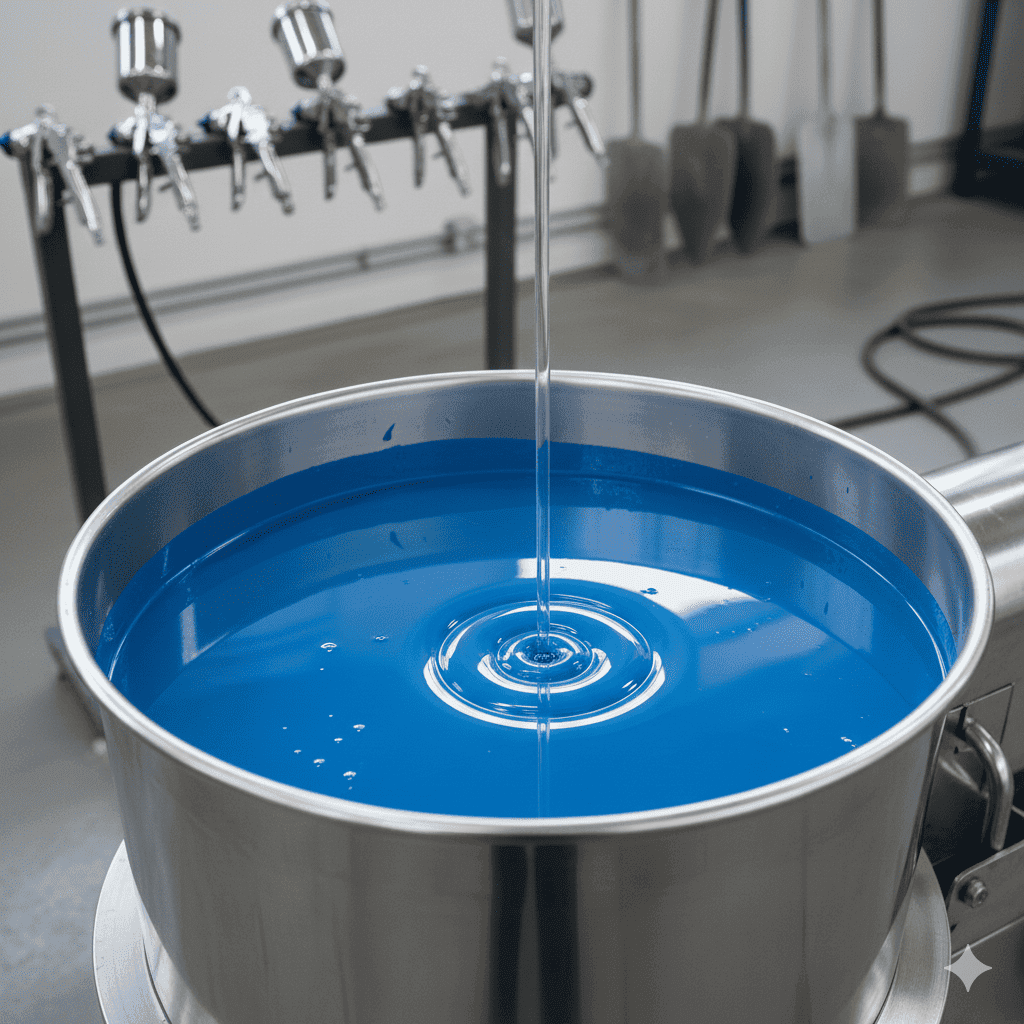
 Acrylic System
Product category
Epoxy & Industrial Floor Coatings
Epoxy, acrylic and chlorinated rubber coatings
BMA's floor coating range covers epoxy, acrylic and chlorinated rubber systems — 10 products in total, from primers and hardeners through to high-gloss topcoats and road marking paints. Five of the ten have a technical data sheet.
The epoxy system is two-pack, mixed at 25% hardener by volume. Primer Epoxy reaches 64.04% solids by volume at a 50–90 micron dry film and is specified for concrete walls and floors; chemical, water and power plants; warehouses and parkings; storage tanks and general structural steel. Paint Epoxy is specified for concrete floors, pipelines and storage tanks, warehouses, hospitals and hotels. BMA Chlorinated Rubber Paint is touch dry in 30 minutes and specified for road markings, parking and pedestrian crossings, traffic signs, industrial floor markings, and emergency and fire exits. The five data sheets each state ISO 9001:2015, ISO 45001:2018 and ISO 14001:2015.
- ISO certified
- 46 years manufacturing
- Exported to 30+ countries
Coating systems
Explore floor coating systems
Four systems. Pick a system to see its full range.
Epoxy System
4 productsTwo-pack, mixed at 25% hardener by volume. Specified for concrete walls and floors; chemical, water and power plants; warehouses and parkings; storage tanks. 1 of 4 products in this system has no data sheet.
View systemRoad & Line Marking
3 productsBMA Chlorinated Rubber Paint is self-priming, touch dry in 30 minutes, applied in three coats, and specified for road markings, parking and pedestrian crossings; traffic signs and restrictions; industrial floor markings. 2 of 3 products in this system have no data sheet.
View systemAcrylic System
2 productsBMA PU Acrylic Paint is 50.42% solids by volume at a 30–50 micron dry film, thinned 20–25% with BMA Thinner PU. 1 of 2 products in this system has no data sheet.
View systemConcrete & Sealers
1 product1 product: Sealer Concrete. No technical data sheet on file for this system. 1 of 1 products in this system has no data sheet.
View systemFull range
Floor coating products
All 10 products in this category — download a technical data sheet or add items to your quote request.
Acrylic System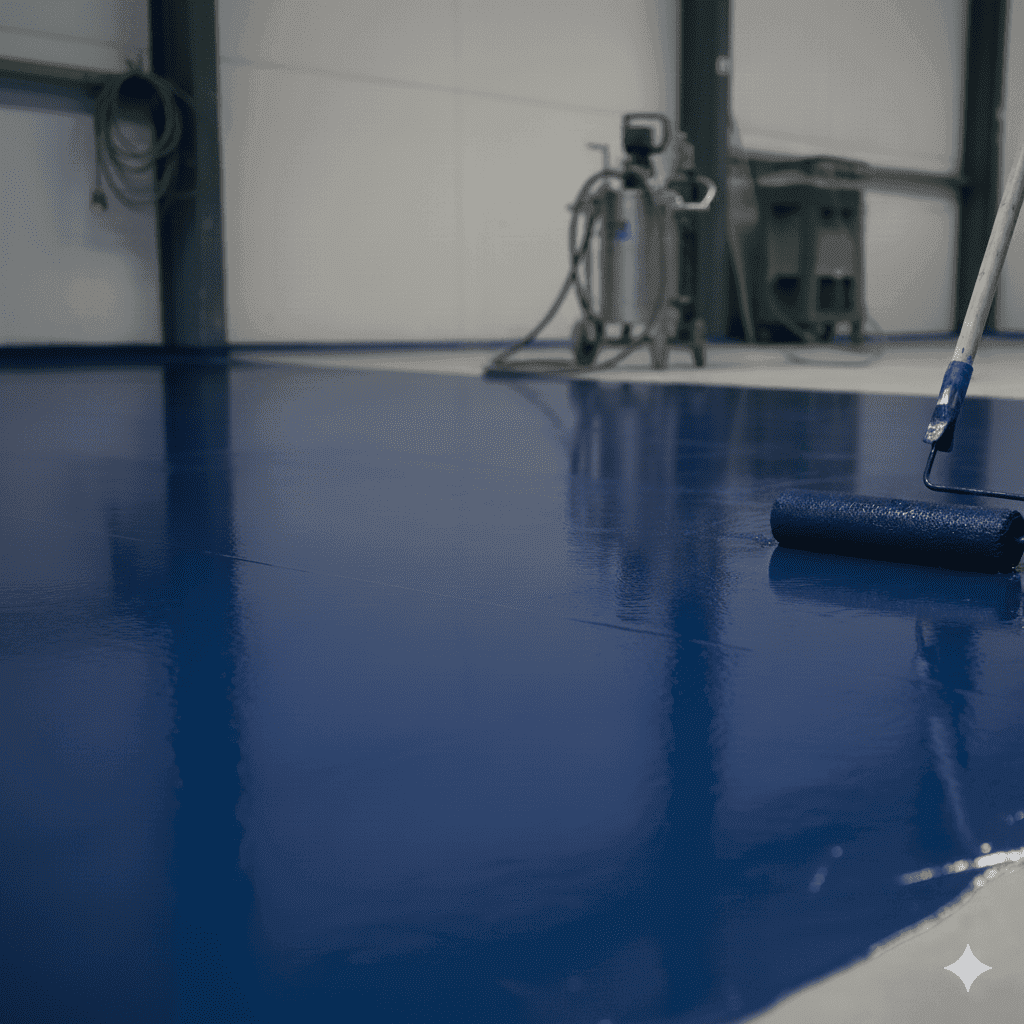 Acrylic System
Acrylic Paint
30min–2hr touch dry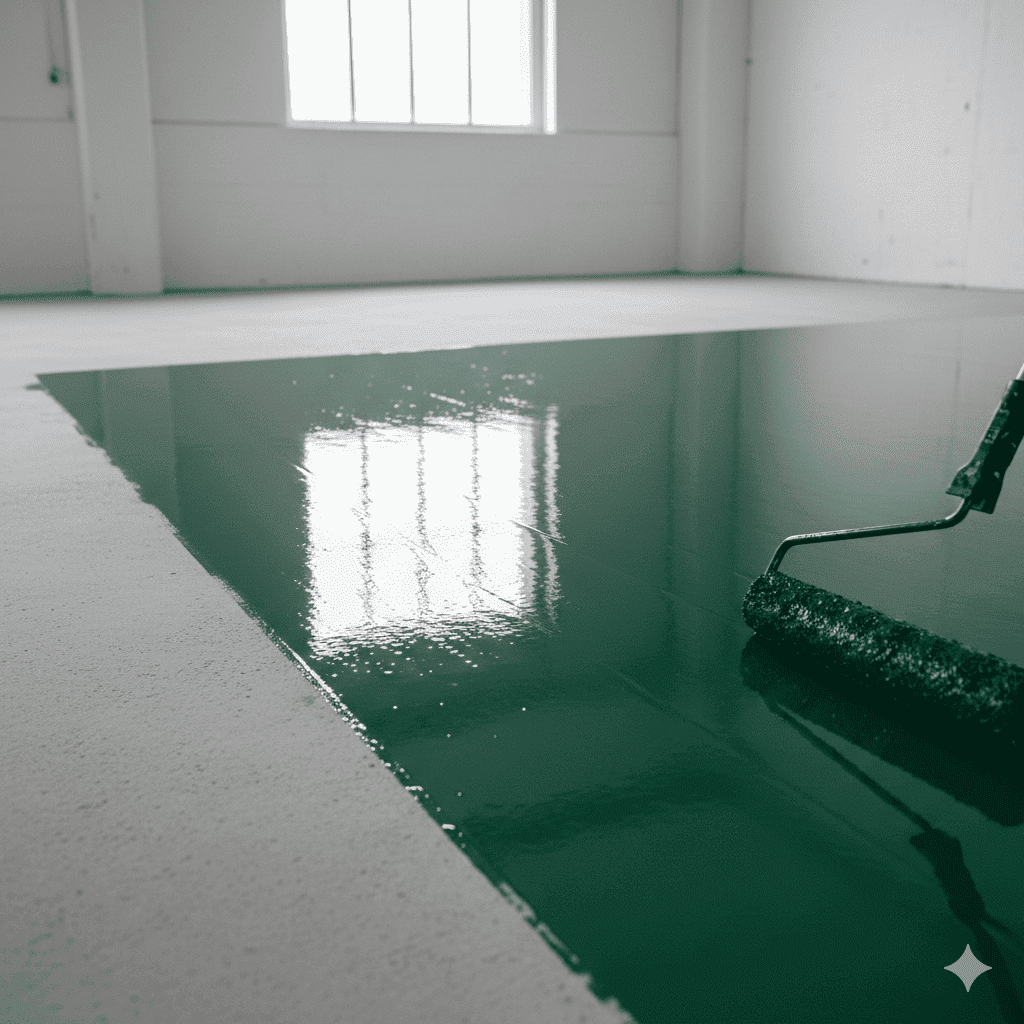 Road & Line Marking
Special Coatings
Matt · 30min touch dry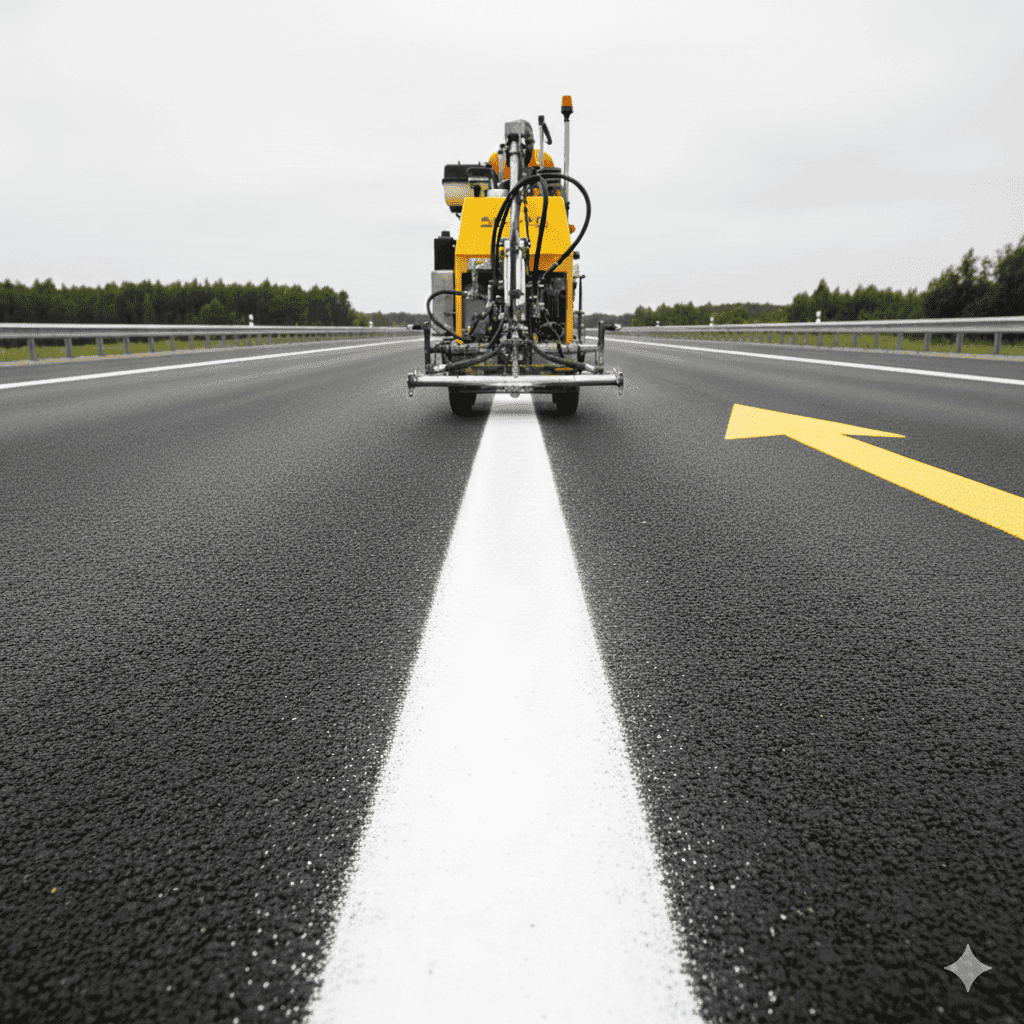 Road & Line Marking
Trafiqua
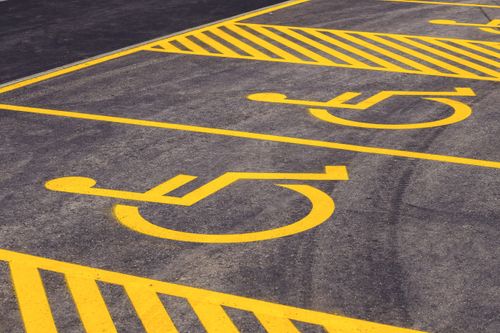 Road & Line Marking
Road Marking
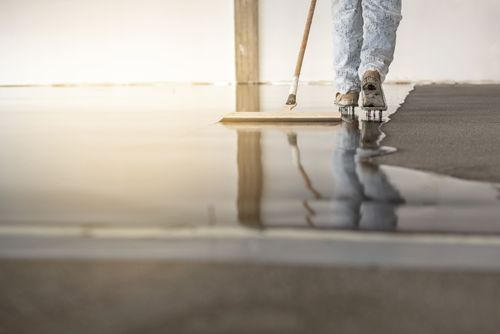 Concrete & Sealers
Sealer Concrete
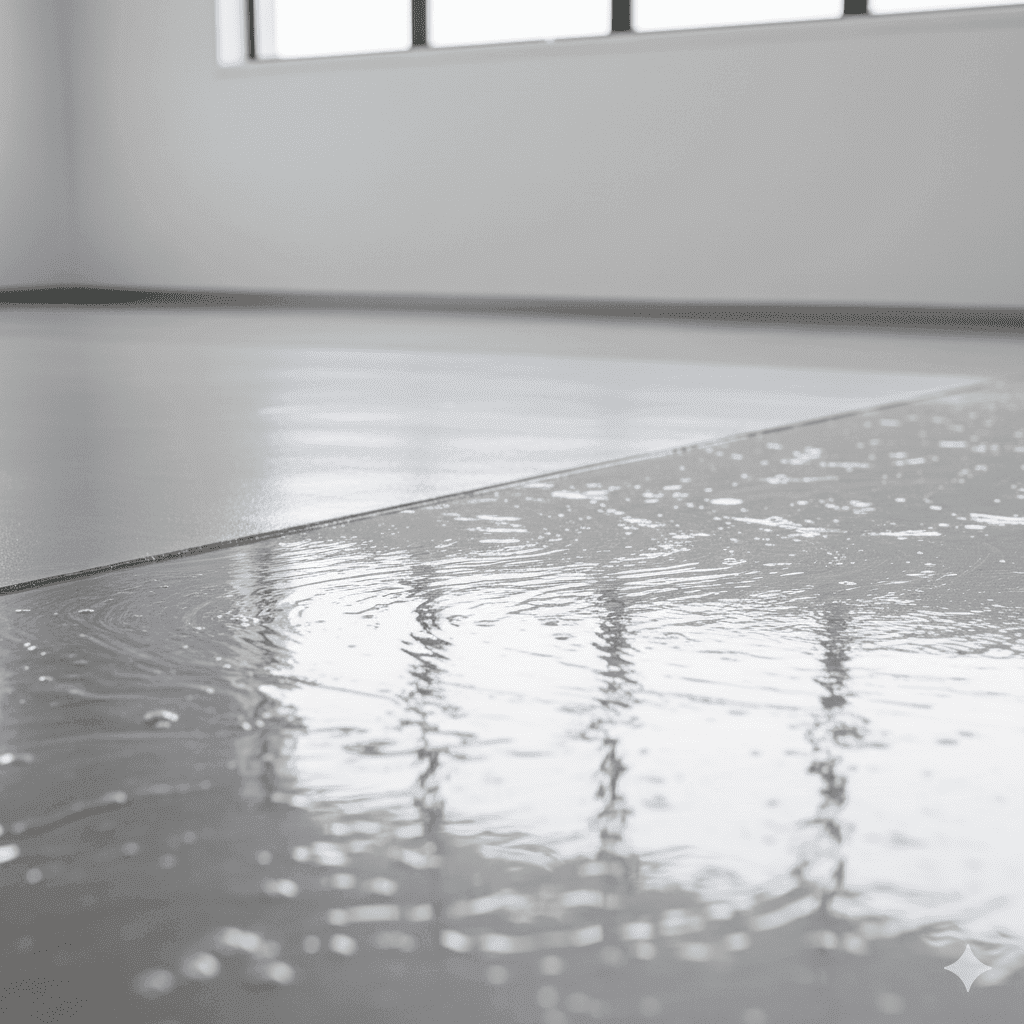 Epoxy System
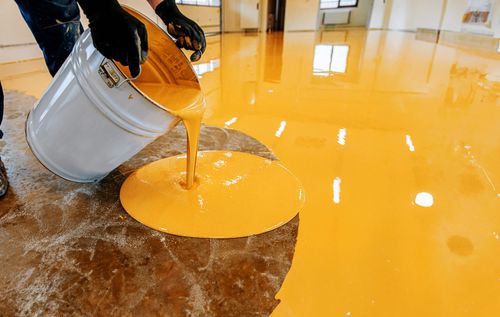
Hardener Epoxy
 Epoxy System
Paint Epoxy
Gloss 80% · 2hr touch dry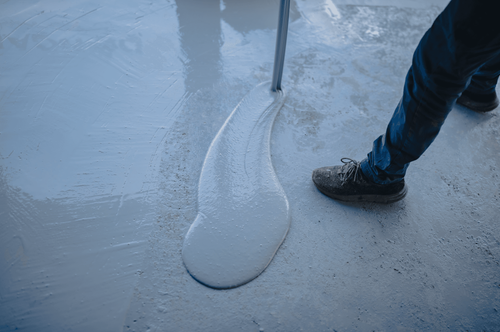 Epoxy System
Primer Epoxy
Matt · 2hr touch dry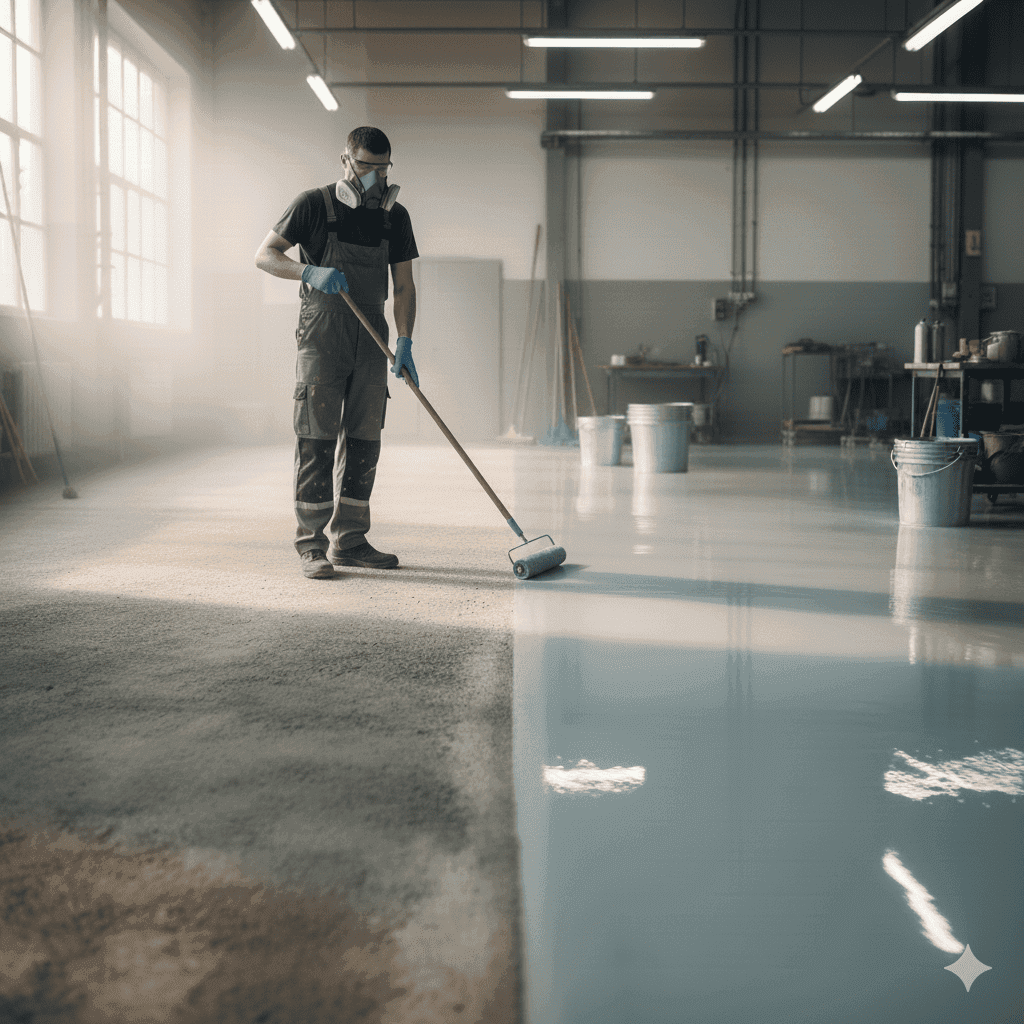 Epoxy System
Lacquer Epoxy
Gloss 90% · 3hr touch dryAt a glance
Compare floor coating products
Compare finish, dry time, coverage and film thickness side by side, and open the technical data sheet on any row.
| Product | Finish | Touch dry | Recoat | Theoretical spreading rate (m²/L) | Dry film (µm) | Solids by vol. | VOC (g/L) | Data sheet |
|---|---|---|---|---|---|---|---|---|
| Primer Epoxy | Matt | 2 hrs | 10–24 hrs | 7.11–12.8 | 50–90 | 64.04% | 318.89 | |
| Paint Epoxy | Gloss 80% | 2 hrs | 10–24 hrs | 10.66–12.8 | 50–60 | 64% | 363.92 | |
| Lacquer Epoxy | Gloss 90% | 3 hrs | 6–8 hrs | 7.64–9.55 | 60–75 | 57.3% | 416.2 | |
| Special Coatings | Matt | 30 mins | 24–48 hrs | 4.4–6.6 | 50–75 | 33% | 575.85 | |
| Acrylic Paint | — | 30 mins–2 hrs | 8–12 hrs | 10.08–16.8 | 30–50 | 50.42% | 418.4 |
- Primer Epoxy
- Finish
- Matt
- Touch dry
- 2 hrs
- Recoat
- 10–24 hrs
- Theoretical spreading rate (m²/L)
- 7.11–12.8
- Dry film (µm)
- 50–90
- Solids by vol.
- 64.04%
- VOC (g/L)
- 318.89
- Paint Epoxy
- Finish
- Gloss 80%
- Touch dry
- 2 hrs
- Recoat
- 10–24 hrs
- Theoretical spreading rate (m²/L)
- 10.66–12.8
- Dry film (µm)
- 50–60
- Solids by vol.
- 64%
- VOC (g/L)
- 363.92
- Lacquer Epoxy
- Finish
- Gloss 90%
- Touch dry
- 3 hrs
- Recoat
- 6–8 hrs
- Theoretical spreading rate (m²/L)
- 7.64–9.55
- Dry film (µm)
- 60–75
- Solids by vol.
- 57.3%
- VOC (g/L)
- 416.2
- Special Coatings
- Finish
- Matt
- Touch dry
- 30 mins
- Recoat
- 24–48 hrs
- Theoretical spreading rate (m²/L)
- 4.4–6.6
- Dry film (µm)
- 50–75
- Solids by vol.
- 33%
- VOC (g/L)
- 575.85
- Acrylic Paint
- Finish
- —
- Touch dry
- 30 mins–2 hrs
- Recoat
- 8–12 hrs
- Theoretical spreading rate (m²/L)
- 10.08–16.8
- Dry film (µm)
- 30–50
- Solids by vol.
- 50.42%
- VOC (g/L)
- 418.4
Two-pack mixing data — epoxy system
| Primer Epoxy | Paint Epoxy | Lacquer Epoxy | |
|---|---|---|---|
| Hardener ratio by volume | 25% | 25% | 25% |
| Induction time | 10 minutes | 10 minutes | 10 minutes |
| Pot life at ambient | 2 hours | 2 hours | 2 hours |
| Thinner | BMA Thinner Epoxy | BMA Thinner Epoxy | BMA Thinner Epoxy |
| Thinning, brush/roller | max 15% | 10–15% | max 10% |
| Thinning, air spray | up to 20% | 15–20% | 15% |
| Thinning, airless | — | — | 2% |
Application guide
How to prepare and coat a concrete floor
BMA's documented procedure, from bare concrete to a sealed epoxy finish.
- 1Step 1
Check the concrete is ready
New concrete must be fully cured for at least 30 days. Check the substrate before coating: the sheets state that pH should be between 6 and 9, since alkalinity can affect and destroy paint adhesion, and that moisture content must not exceed 4% by weight. Above that, the sheets state the concrete is not a good candidate for painting.
- 2Step 2
Decontaminate
Both fresh and old concrete require decontamination to remove dust, oil, grease, laitance, fatty acids and any other contaminants. Acid etching with Acid Solution is recommended, followed by a thorough water rinse. Detergent scrubbing, low-pressure water cleaning or steam are alternatives.
- 3Step 3
Repair the surface
Fill cracks, holes and pores with a cementitious mixture: prepare an SBR solution by mixing BMA SBR with water at 1:5 by volume, then add it to cement and sand until the mixture reaches the right consistency. BMA puttypoxy can be used for light scratches. Allow the substrate to dry.
- 4Step 4
Prime
Mix 25% by volume of hardener 1BM-HPE0800 into BMA Epoxy Primer. Let the mixture stand for 10 minutes to allow the components to react, then apply within the 2-hour pot life. Apply in a well-ventilated area where humidity does not exceed 75%. Thin with up to 15% BMA Epoxy Thinner for brush or roller, or up to 20% for airless spray. Allow 10 to 24 hours before overcoating.
- 5Step 5
Topcoat
Apply BMA Epoxy Paint in two coats, thinned 10–15% for brush or roller and 15–20% for air spray. Its sheet gives a recommended dry film thickness of 50–60 microns and a wet film of 80–120 microns.
- 6Step 6
Clear finish (optional)
BMA Clearopoxy is 90% gloss against Epoxy Paint's 80%, at a 60–75 micron dry film with 6–8 hours between layers.
Road and line marking follows a different route: BMA Chlorinated Rubber Paint is self-priming, applied in three coats, thinned 20–30% with xylene for the first layer and 10% for the second.
Global supply
Supplying floor coatings to 30+ export markets
Manufactured in Lebanon and exported to 30+ markets. The five floor products with a technical data sheet each state ISO 9001:2015, ISO 45001:2018 and ISO 14001:2015; the remaining five have no sheet on file.
Explore our global reachVOC
View all EcoBMA →VOC content across the floor range
Volatile organic compound content, as stated on each product's technical data sheet.
| Product | VOC (g/L) |
|---|---|
| Primer Epoxy | 318.89 |
| Paint Epoxy | 363.92 |
| Lacquer Epoxy | 416.2 |
| Acrylic Paint | 418.4 |
| Special Coatings | 575.85 |
Keep exploring
Related categories
Overlapping chemistries — worth a look if you're specifying across surfaces.

Common questions
Floor coating questions
Theoretical spreading rates are 7.11–12.8 m²/L for Epoxy Primer, 10.66–12.8 m²/L for Epoxy Paint, 7.64–9.55 m²/L for Clearopoxy, 10.08–16.8 m²/L for Acrylic Paint and 4.4–6.6 m²/L for Chlorinated Rubber Paint. These are theoretical rates at the recommended film thickness.
At least 30 days. Before coating, the sheets state that substrate pH should sit between 6 and 9, since alkalinity can affect and destroy paint adhesion, and that moisture content must not exceed 4% by weight. Above 4%, the sheets state the concrete is not a good candidate for painting.
Yes. Epoxy Primer, Epoxy Paint and Clearopoxy are two-pack products, mixed at 25% hardener by volume. Allow a 10-minute induction time before applying, and use the mixture within its 2-hour pot life.
BMA Thinner Epoxy. Maximum 15% for brush or roller and 20% for airless spray on Epoxy Primer; 10–15% brush or roller and 15–20% air spray on Epoxy Paint; 10% brush or roller, 15% air spray and 2% airless on Clearopoxy.
The data sheets specify concrete floors and walls, chemical, water and power plants, pipelines and storage tanks, warehouses and parkings, factories and manufacturing plants, shopping centres, hotels, residential buildings, hospitals, marine applications, aquariums and swimming pools.
BMA Chlorinated Rubber Paint, applied in three coats. It is self-priming, touch dry in 30 minutes, and specified for road markings, parking and pedestrian crossings, traffic signs and restrictions, industrial floor markings in factories and warehouses, emergency and fire exits, and swimming pools.
Five of the ten products in this category have a technical data sheet on file, and each states ISO 9001:2015, ISO 45001:2018 and ISO 14001:2015. The remaining five carry no certification record here.
Request a quote for floor coatings
Tell us your project and volumes — our export team replies with pricing and lead times.